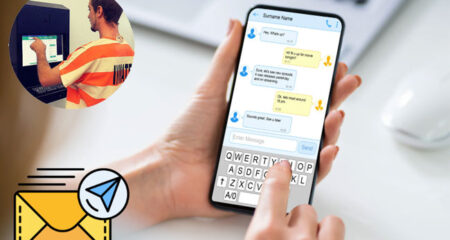
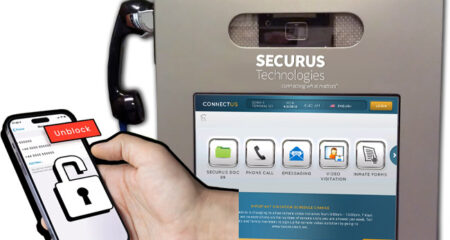
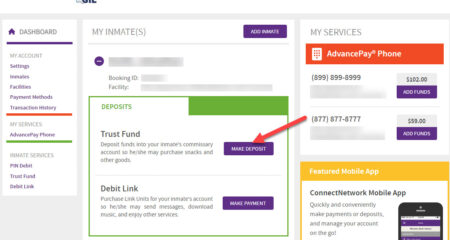
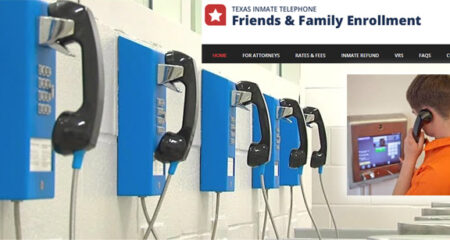
Can inmates private their profile on getting out? When people think about digital privacy, they often imagine familiar features like blocking contacts, hiding profiles, or switching accounts to private mode. Inside correctional facilities, however, communication works very differently. Inmates who use monitored platforms such as GettingOut by GTL operate under strict institutional rules, where privacy is mediated by the facility rather than controlled directly by the user.
This article explores how inmate communication privacy actually works, what limits exist, and what steps can realistically be taken to restrict unwanted contact. Understanding these boundaries is essential for families, friends, and formerly incarcerated individuals navigating digital communication after release.
Understanding Inmate Communication Systems
Correctional facilities rely on approved communication platforms to manage contact between inmates and the outside world. These systems are designed primarily for security and recordkeeping, not personal privacy.
Unlike conventional messaging apps, inmates do not own their communication profiles. Instead, those profiles are administered by the facility in partnership with service providers such as GTL. This distinction explains why questions like “can inmates private their profile on getting out?” arise so frequently among users unfamiliar with correctional protocols.
In practice, every message, contact request, and media exchange exists within an ecosystem controlled by institutional policies.
Who Controls Privacy Inside Correctional Facilities?
Facility Authority Comes First
Correctional institutions retain ultimate authority over inmate communications. This means:
- Inmates cannot independently adjust privacy settings
- Contact approval is regulated by staff
- Monitoring is continuous and authorized by policy
Even when a platform appears modern and app-based, it functions more like a controlled mailbox than a social network. For this reason, the questions can inmates’ private their profile is less a technical question and more an administrative one.
How Blocking or Limiting Contact Actually Works
Formal Requests Instead of App Controls
Inmates who wish to limit communication must follow an official process. There is no “block” button available on inmate devices. Instead, restrictions are handled through written requests submitted to facility staff.
Common methods include:
- Submitting a formal written request (“Request Letter”)
- Asking staff to remove or restrict specific contacts
- Requesting communication suspension for personal reasons
Once approved, the facility implements the restriction at the system level. This process reinforces why the question like “can inmates private their profile on getting out?” cannot be answered with a simple yes or no.
The Reality of ‘Private’ Messaging Platforms
Limited Privacy by Design
Platforms such as GettingOut are often described as secure, but “secure” does not mean private in the consumer sense. Messages are protected from outside intrusion, yet they remain fully visible to authorized facility personnel.
Key characteristics include:
- Messages may be reviewed before delivery
- Attachments are screened
- Conversations can be flagged automatically
As a result, even if contact is limited, inmates who private their profile for getting out must be understood within a system where privacy is conditional and supervised.
Data Retention and Long-Term Storage
Messages Rarely Disappear
One of the most misunderstood aspects of inmate communication is data retention. Deleting a message from a visible inbox does not mean it is erased from records.
Typically:
- Messages are stored for 2–5 years or longer
- Facilities retain full access to archives
- Data may be shared with investigators if required
This long-term storage underscores why Can Inmates Private Their Profile on Getting Out? should be reframed as “How limited can visibility realistically become?”
No True Anonymity in Correctional Communication
Monitoring Is the Default
Correctional communication systems are built on transparency to authorities. This eliminates the possibility of anonymity.
Implications include:
- All accounts are tied to verified identities
- Conversations can be audited retroactively
- Messages may be used in legal proceedings
Because of this structure, inmates private their profile on getting out has clear boundaries defined by law enforcement and institutional responsibility.
What Happens After Release?
Transitioning Out of the System
Upon release, former inmates typically lose access to facility-managed communication platforms. At that point, they regain full control over personal digital accounts outside the correctional environment.
However:
- Historical data may still exist in facility records
- Past messages are not automatically erased
- Requests for data removal may require legal steps
This transition phase often leads people to revisit the question “can inmates private their profile on getting out?” especially when considering long-term digital footprints.
Practical Steps to Reduce Unwanted Contact
While full privacy is not possible, inmates can still take measured steps to limit interactions:
- Submit written requests promptly
- Keep copies of all formal communications
- Clearly specify which contacts to restrict
- Follow up through approved facility channels
These actions do not eliminate monitoring, but they can reduce exposure and improve personal boundaries within institutional limits.
Common Misconceptions about Inmate Privacy
Many misunderstandings stem from comparing correctional apps to mainstream platforms. In reality:
- Privacy is administrative, not user-driven
- Security outweighs personal preference
- Convenience does not equal confidentiality
Recognizing these distinctions helps set realistic expectations and prevents frustration.
What Privacy Really Means in This Context?
A Managed, Not Personal, Form of Privacy
In summary, can inmates private their profile on getting out? Inmates can request limitations on who contacts them, but those limitations are executed and enforced by correctional facilities. Messages remain monitored, stored, and accessible to authorized staff regardless of individual preferences.
The core takeaway is that privacy within inmate communication systems is conditional and procedural. While steps can be taken to reduce unwanted contact, true digital privacy does not exist inside these platforms. Understanding this reality allows inmates and their families to make informed, practical decisions without false expectations.
Frequently Asked Questions
Can inmates block someone instantly like on social media?
Blocking requires a formal written request processed by facility staff.
Are inmate messages ever truly private?
All messages are subject to monitoring and review by authorized personnel.
How long are inmate messages stored?
Retention periods often range from two to five years or longer, depending on policy.
Does privacy improve after release?
Once released, individuals regain control over personal communication tools, though historical records may still exist.

AUTHOR BIO
On my daily job, I am a software engineer, programmer & computer technician. My passion is assembling PC hardware, studying Operating System and all things related to computers technology. I also love to make short films for YouTube as a producer. More at about me…